


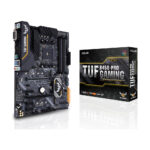
 Mainboard – Bo Mạch Chủ
 Laptop mới
Independent Slots Casino Tips, RTP, Bonuses, Regulation
Independent slots casinos have carved a niche in the online gambling landscape by focusing on fairness, transparency, and a curated library of slot games rather than broad-brand marketing alone. Players gravitate toward operators that publish credible payout information, undergo rigorous testing, and deliver consistent customer service. In practice, independent casinos often hold licenses from recognized regulators, partner with independent testing labs to certify RNG fairness, and maintain credible audit trails that players can verify online. This combination matters because the odds and the terms attached to bonuses directly affect your long-term results, bankroll, and overall enjoyment. For new players, distinguishing independent operators from larger brands means assessing risk, deposit options, withdrawal speeds, and responsible gaming features, not just flashy banners. In this article, we examine ten critical aspects of independent slots casinos, from the technical underpinnings of slot engines to practical tips on bankroll management and bonus mechanics. We also compare licensing and regulatory differences, explore KYC versus No-KYC models, and review payment methods and security measures that protect players in real money play. Across these sections you’ll find concrete ideas for evaluating venues, maximizing RTP awareness, and avoiding common traps that erode winnings. Whether you prefer classic three-reel titles or cutting-edge cascades with multipliers, understanding the environment around independent operators helps you pick safer games, smarter bonuses, and more reliable support. By the end, you’ll have a framework for choosing an independent slots casino that aligns with your goals and risk tolerance.
What sets an independent slots casino apart
Independent slots casinos differentiate themselves through a deliberate focus on core gaming integrity, trusted licensing, and a curated game catalog rather than relying solely on brand recognition. These operators typically publish transparent payout percentages and support independent testing of their RNGs, often via well-known labs such as eCOGRA or iTech Labs. The result is a platform where players can reasonably anticipate fair outcomes across a broad set of titles. The user experience often emphasizes a clean, uncluttered lobby, intuitive navigation for game search, and robust customer support channels. Because independent operators can be smaller in scale yet rigorous in control, they frequently offer more responsive dispute resolution paths and shorter withdrawal times when compared with some multi-brand platforms. Another hallmark is the emphasis on game diversity, with slots from multiple providers that satisfy different risk appetites, from low-variance classics to high-volatility megaways. In practice, these casinos also implement strong security practices—encryption, secure data handling, and proactive fraud protection—while maintaining competitive bonuses that are clearly explained and free from aggressive wagering traps. For players, the upshot is a platform where fairness, transparency, and service quality are the primary selling points, not merely the size of the brand name. This alignment of trust, compliance, and product quality often produces a more reliable long-term gambling environment and can translate into steadier gameplay experiences and fewer surprise terms at cashout.
Under the hood: RNG, engine design and RTP in slots
To understand why independent slots casinos can offer dependable experiences, you need to peek behind the curtain at how slot engines work. Random Number Generators (RNGs) are the electronic heartbeat of every slot, producing long sequences of numbers that determine reel positions after each spin. Reputable operators partner with recognized RNG vendors and publish their certificates or provide access to official audit reports. The theoretical RTP (return to player) of a game is a percentage calculated over an enormous number of spins and represents the share of wagered money that the game is designed to return to players over time. In practice, individual sessions will deviate widely from the theoretical RTP due to stochastic variance, but the long-run expectation remains constant. The engine design itself—how paylines are laid out, the distribution of symbol wins, and the presence of features like cascading reels, multipliers, or bonus rounds—shapes how quickly a game reaches its RTP on average. Independent studios often work with operators to ensure that game math is transparent and reproducible, with clear documentation about paytable structure and feature triggers. For players, a basic grasp of RNG mechanics and RTP helps distinguish a predictable game from one with erratic tendencies. Be mindful that advertised RTP is not a guarantee of short-term results, and that selection of games with clear rules and consistent payout structures reduces the risk of unpleasant surprises during play.
Interpreting RTP and volatility for slot players
RTP and volatility are two of the most important concepts in slot strategy, yet they are commonly misunderstood by casual players. RTP is the expected percentage of wagers that a game will return to players over a very long time. If a slot has an RTP of 96.5%, it is theoretically expected to pay back 96.5 for every 100 wagered, across millions of spins. Volatility, also called variance, describes the frequency and size of wins. Low-volatility games tend to pay smaller wins more often, while high-volatility titles deliver larger wins less frequently. Medium volatility sits in between. The practical takeaway is that RTP informs the baseline fairness of a game, while volatility guides risk, bankroll planning, and session length. Independent operators often present players with a mix of volatility profiles in their game lobbies, enabling tailored experiences. When planning bets, align your bankroll with the volatility class of your chosen titles. A 1000-unit bankroll, for example, can support longer sessions of low-volatility slots with smaller swings, whereas high-volatility games demand bigger bankrolls or more selective bet sizing. In addition, look for dynamic paytables, bonus features, and sticky wins that influence real-time risk and potential returns. By combining a clear understanding of RTP with a measured view of volatility, you can design a strategy that optimizes your expected value without chasing improbable payouts on every spin.
Bankroll logic: building a sustainable slots strategy
Bankroll management is the invisible backbone of successful slot play. Before you spin, determine your total gambling budget, divided into a realistic number of sessions and a constant bet unit that you are comfortable risking. A common rule of thumb is to select a unit size that would allow 30–100 spins per session without rapid depletion, then adjust upward or downward based on the volatility of the titles you play. For independent slots casinos, it’s wise to diversify across games with different volatility and RTP profiles to smooth the arithmetic. Set win and loss limits per session and use features like auto-stop or time limits to enforce discipline. Then, slow pace your wagering to avoid rapid bankroll erosion on heat players’ runs or losing streaks. Remember that a higher RTP does not guarantee frequent profits; it simply improves long-run expectations. In practice, a sustainable strategy involves rotating between lower-variance games for steady wins and occasional high-variance titles when you have the capital to sustain potential drawdowns. Maintaining a detailed log of bets, sessions, and outcomes can reveal patterns that help refine your approach over time. Independent casinos often provide tools such as session timers, loss limits, and responsible gambling prompts to support prudent bankroll management. Use these features to keep your play enjoyable and within your predefined boundaries, ensuring you can continue playing responsibly and with a clear sense of control.
Bonus mechanics: freebies, free spins, and wagering hurdles
Bonus offers are a central feature of online slots, but the true value lies in understanding the terms. Independent slots casinos frequently present welcome packages, match bonuses, cashbacks, and free spins that must be wagered a certain number of times before withdrawal. The wagering requirement, sometimes called playthrough, determines how many times you must bet the bonus amount before cashouts are permitted. Equally important are game weighting rules, which specify how much each game contributes toward meeting the wagering requirement. Slots with high volatility or game features that do not count toward wagering can significantly dilute the real value of a bonus. Apart from wagering, there are often maximum cashout limits, wagering timelines, and restrictions on certain game types. Some operators offer no-deposit bonuses or free spins with lower or more favorable wagering terms, which can be particularly attractive for new players exploring independent platforms. It’s essential to read the fine print, identify games that contribute fully to wagering, and calculate the effective value of each offer before opting in. A disciplined approach to bonuses includes comparing the net expected value of different promotions, considering the impact of wagering requirements on your bankroll strategy, and timing promotions to align with your preferred game types and volatility levels. In independent casinos, transparency about bonus terms is a sign of player-friendly practice and a signal of trustworthiness in the operator’s overall policy framework.
Audit trails: licensing, regulation, and independent testing
Licensing and regulation form the outer shell of credibility for any online casino, and independent slots operators typically emphasize robust oversight. Reputable jurisdictions include the United Kingdom Gambling Commission (UKGC), the Malta Gaming Authority (MGA), Gibraltar, and other well-established regulators that require ongoing compliance, financial disclosures, and responsible gaming measures. Independent testing labs verify the integrity of RNGs, payout percentages, and security controls, producing certificates that operators can share with players or publish publicly. These tests are independent online casinos crucial to prevent tampering, back-room modifications, or undisclosed paytable changes. In addition to licensing and lab certification, credible operators maintain transparent audit trails, secure data handling, and clear incident response procedures. They often publish annual reports or compliance summaries that summarize license status, test results, and risk controls. For players, the signal of strong regulation and independent testing translates into higher confidence that the casino is operating within legal boundaries and adhering to industry standards. It also means that disputes have a defined regulatory pathway and that customer protections, such as verification checks and withdrawal protocols, are consistently applied. As you evaluate independent slots casinos, prioritize operators with active licenses, accessible test certificates, and visible commitments to fair play, data security, and continuous compliance with evolving regulations.
KYC vs No-KYC models in independent slots casinos
KYC, or Know Your Customer, is the backbone of modern online gambling regulation and anti-money-laundering compliance. In many regulated markets, operators require identity verification, proof of address, and sometimes source of funds before enabling large withdrawals or certain promotions. No-KYC models, on the other hand, offer limited identity checks for very small deposits or using certain payment methods, often with velocity limits. Independent slots casinos operating in crypto-friendly niches may present No-KYC or reduced-identity experiences for low-risk play, yet this approach comes with trade-offs. For players, KYC reduces risk of fraud, helps prevent underage or criminal activity, and provides recourse in case of disputes. No-KYC can offer convenience, faster onboarding, and privacy advantages, but it may expose players to higher withdrawal limits being disabled or restricted services if suspicious activity is detected. The ideal policy balances user privacy with regulatory compliance, employing risk-based verification that scales with play, geolocation, and payment methods. When choosing an independent casino, review the operator’s KYC policy, the expected verification steps, and the timelines for approval. Consider how the casino handles documentation requests, escalation channels, and how verification status impacts bonus eligibility and withdrawal processing times. Transparent KYC procedures and consistent application of compliance rules are hallmarks of trustworthy independent operators and reduce the chance of future disruptions to your gameplay and payouts.
Payment methods and cashout realities at independent slots
Payment flexibility is a practical pillar of a positive gambling experience. Independent slots casinos typically offer a range of deposit and withdrawal options, including major credit and debit cards, e-wallets, bank transfers, prepaid cards, and increasingly, cryptocurrencies. The choice of method affects processing speed, fees, and withdrawal limits. Card deposits are typically instant, while withdrawals may take 24–72 hours depending on the operator and the payment rail. E-wallets commonly provide faster cashouts, sometimes within 24 hours, with minimal verification friction if you have pre-registered documents. Crypto-based transactions offer near-instant deposits and potential privacy advantages but may incur volatility risk and different tax considerations. Regardless of method, reputable operators perform AML screening and KYC checks consistent with jurisdictional requirements, which can introduce delays for first-time withdrawals. Always verify the withdrawal method’s processing times and any fees, and be mindful of limits that might cap larger payouts. A transparent independent operator will publish typical processing times, identify common blockers, and provide proactive customer support to resolve payment issues quickly. In practice, you’ll get a smoother experience when you align your payment methods with your typical payout expectations, maintain up-to-date verification, and choose operators that offer clear, fair fee structures and reliable, timely processing.
Security, fairness, and player protection in independent slots
Security and player protection are non-negotiable in the modern iGaming environment. Independent slots casinos invest in strong encryption (SSL/TLS), secure authentication, and rigorous data protection practices to safeguard financial and personal information. Beyond technology, responsible gambling features such as self-exclusion, deposit limits, session reminders, reality checks, and access to responsible gaming resources help players maintain control over their activity. Fairness is verified through independent testing, transparent paytables, and post-audit compliance reporting. A credible operator will publish or readily provide evidence of RNG certification, payout audits, and regular internal controls designed to detect and prevent manipulation or collusion. Players should also be mindful of phishing threats, social engineering attempts, and suspicious bonus terms that could undermine reliability. When evaluating an independent casino, test the availability of customer support, read user reviews, and check for third-party fairness seals. A strong security posture combined with clear, practical protections for responsible gambling creates a safer environment where players can enjoy slots with confidence in the integrity of the game, the honesty of promotions, and the reliability of cashouts. Independent operators that prioritize security and protection typically earn longer-term trust from players and regulators alike, contributing to a more sustainable gaming ecosystem.
Common mistakes and smart practices for independent slots players
Even experienced players can fall into common traps when exploring independent slots casinos. A frequent misstep is chasing big wins on high-variance titles without adequate bankroll planning, ignoring the long-run nature of RTP and variance, which can lead to ruinous swings. Another mistake is failing to read bonus terms, wagering requirements, and game weighting, which erodes the real value of promotions and can cause unexpected restrictions at cashout. Players also tend to overvalue brand recognition and overlook licensing, auditing, and payment-method diversity. Before signing up, verify the license authority, proof of independent testing, and the operator’s commitment to responsible gambling. Diversifying game choices across low-, medium-, and high-volatility titles helps balance risk and potential rewards, while keeping a strict session budget prevents runaway losses. It’s also important to monitor withdrawal times, verify identity early, and avoid depositing through insecure or unfamiliar channels. Finally, practicing patience, using demo modes to sample titles, and documenting your betting results builds a matured approach to slots that protects your bankroll while improving decision-making. By adopting disciplined bankroll management, understanding RTP and volatility, and choosing operators with strong regulatory credentials, you create a more sustainable and enjoyable independent slots experience.